Can I Customize a Safari with Multiple Experiences?
March 26, 2026
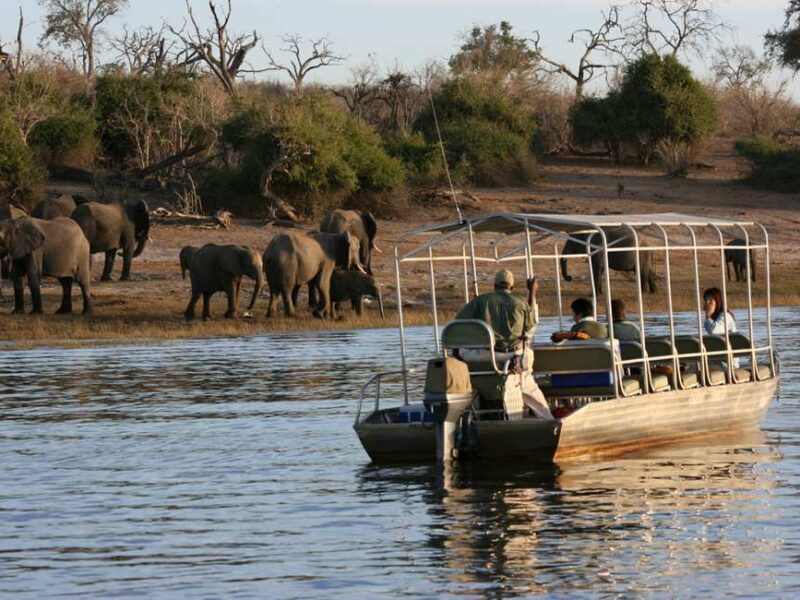
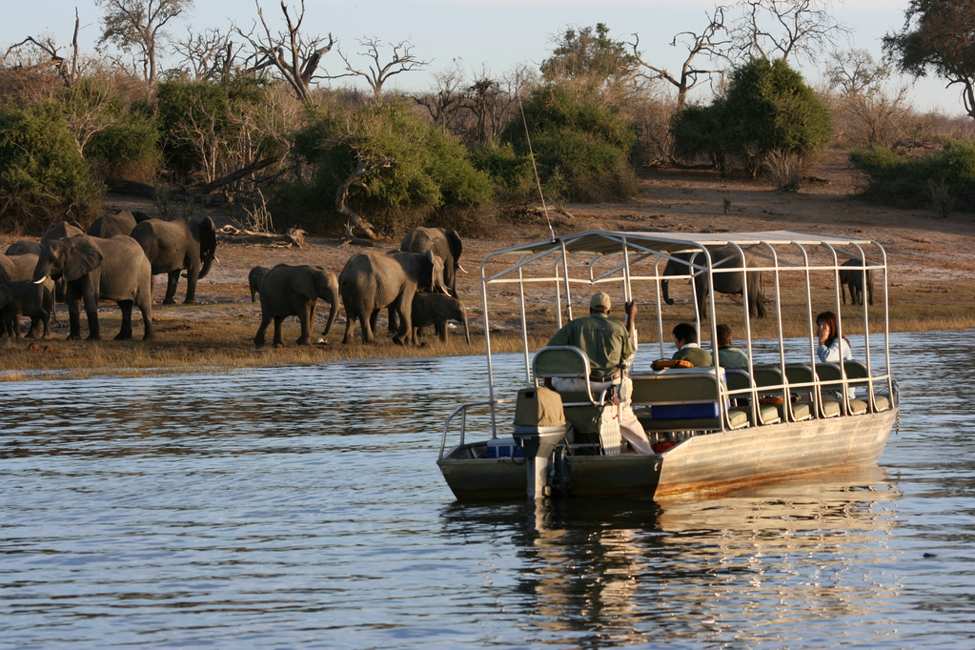
A boat cruise on Lake Victoria
March 26, 2026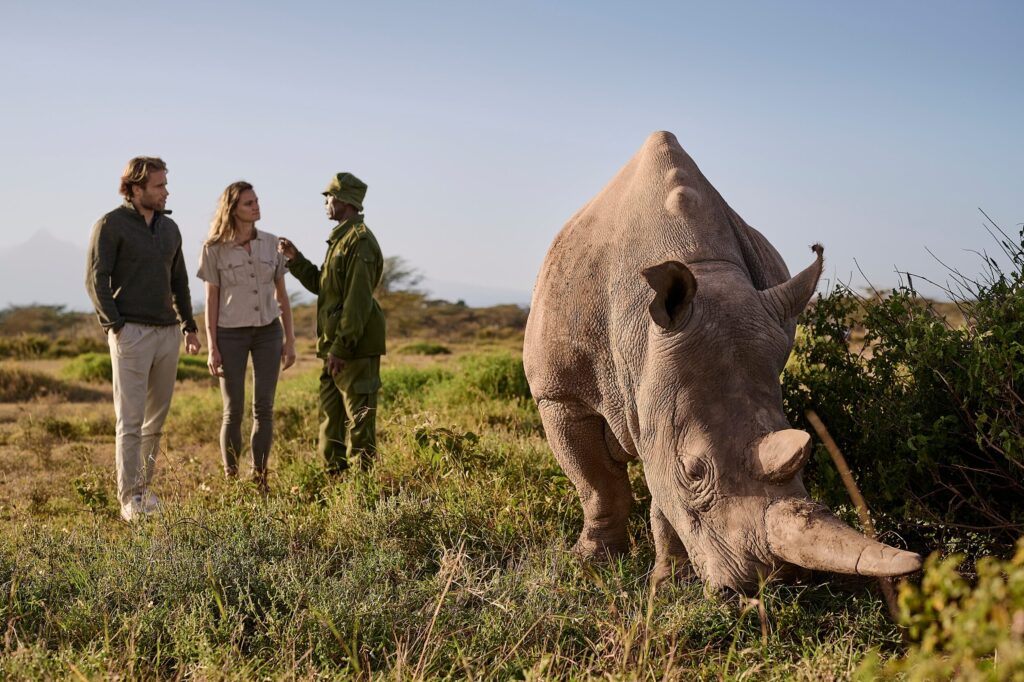
A walking safari in Uganda offers a deeply engaging way to experience the country’s rich wildlife and natural beauty. Rather than դիտ from a vehicle, you explore the environment on foot alongside trained guides, allowing you to fully absorb the sights, sounds, and subtle details of the wilderness. Although this type of safari is suitable for many travelers, it does call for a fair level of physical fitness and mental awareness.
What to Expect on a Walking Safari
These safaris usually take place in protected areas such as savannah landscapes, forest reserves, and conservation zones. The duration can range from short walks lasting a few hours to longer, full-day outings, depending on the program. Terrain varies and may include grassy plains, forest trails, uneven ground, and occasional slopes.
Unlike strenuous hikes aimed at covering long distances or reaching high points, walking safaris focus more on observation and education. The pace tends to be slow, with frequent pauses to study animal tracks, plants, insects, and birdlife. Even so, the natural environment can still present physical challenges.
Required Fitness Level
Participants should generally have a moderate level of fitness. This means being able to:
- Walk comfortably for 2–4 hours at an easy but consistent pace
- Handle uneven and sometimes slippery terrain
- Stay on your feet for extended periods
- Maintain good balance when navigating natural obstacles
High athletic ability isn’t necessary, but those who are not used to regular walking may find it more demanding.
Environmental Factors
The climate in Uganda can add to the physical effort required. Warm temperatures and humidity especially in forested areas can increase fatigue. Travelers may also have to deal with:
- Strong sun exposure, making hydration essential
- Insects, which can be distracting
- Changes in altitude, depending on the location
Being physically prepared helps ensure these factors don’t detract from the overall experience.
Mental Preparedness
In addition to physical fitness, mental readiness is important. Walking safaris involve close interaction with nature, sometimes in areas where large animals are present. Guides give clear safety instructions that must be followed carefully. Participants need to:
- Remain calm and composed around wildlife
- Respond quickly to instructions
- Stay aware of their surroundings at all times
This level of focus can be mentally tiring, particularly for first-time visitors.
Potential Challenges
Some individuals may find walking safaris more difficult, including:
- Those with mobility limitations or joint problems
- People who are not physically active
- Travelers with heart or breathing conditions
In such cases, it’s advisable to discuss options with tour providers, as shorter or less demanding walks may be available.
How to Prepare
A bit of preparation can make the experience much more enjoyable. It’s helpful to:
- Take regular walks before your trip
- Practice walking on uneven surfaces
- Build light endurance through activities like cycling or hiking
- Stay hydrated and adapt to warm conditions where possible
Wearing comfortable walking shoes, light clothing, and sun protection will also enhance your comfort.
A walking safari in Uganda doesn’t require peak fitness, but it does demand a reasonable level of physical ability and mental alertness. With some preparation and a flexible attitude, most people can take part and enjoy the experience. It’s a rewarding way to connect with nature on a deeper level, offering insights and perspectives that are difficult to gain from other types of safaris.