How Does Altitude Affect Weather in Fort Portal?
January 13, 2026
How does weather differ between Nairobi and parks?
January 19, 2026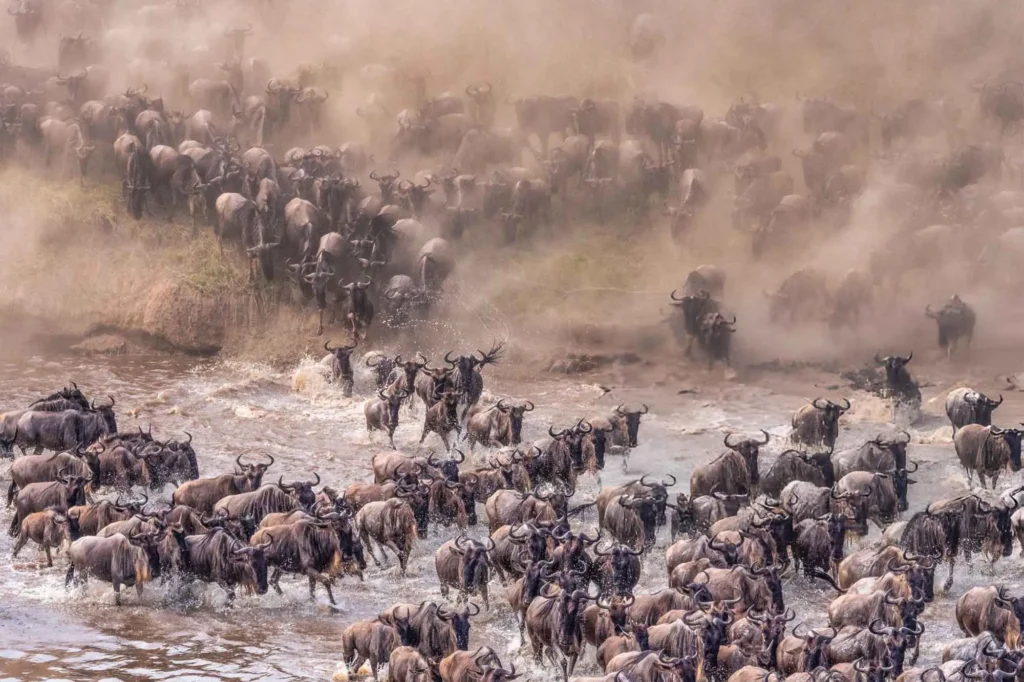
How does weather affect the Great migration routes?
Understanding how does weather affect migration routes? is essential for travelers planning Kenya Safaris and Tanzania Safaris focused on witnessing the world-famous Great Migration. Weather patterns, especially rainfall cycles, play a decisive role in determining where and when millions of wildebeest, zebras, and gazelles move across East Africa. These movements shape Kenya Great Migration Safaris in the Maasai Mara and Tanzania Great Migration Safaris in the Serengeti, making timing one of the most important elements of a successful safari experience.
Seasonal rains regenerate grazing lands, refill rivers, and trigger instinctive wildlife movements in search of fresh pasture and water. Dry periods, on the other hand, push herds toward permanent water sources, influencing predator concentrations and wildlife density. Travelers who understand how does weather affect migration routes? gain a strategic advantage, allowing them to plan Kenya Best Safaris or Tanzania Best Safaris at precisely the right time.
Terenga Safaris designs expertly guided journeys that align with these natural cycles. By combining Kenya Cultural Safaris, Tanzania Cultural Safaris, and world-class wildlife viewing, guests enjoy immersive experiences rooted in ecological knowledge and local expertise. Recognizing how climate influences migration ensures travelers witness dramatic river crossings, calving seasons, and predator interactions, while also appreciating the delicate balance between nature and survival.
How do rainfall patterns influence migration movement?
Rainfall is the single most influential factor when explaining how does weather affect migration routes? Seasonal precipitation determines grass growth, which directly affects herbivore movement across the Serengeti–Mara ecosystem. Short rains between October and December rejuvenate southern Serengeti plains, attracting herds to Tanzania where calving begins. Long rains from March to May support expansive grazing zones, guiding animals northward as conditions evolve.
Dry seasons create a contrasting dynamic. Limited water availability forces animals to migrate toward permanent rivers such as the Mara River in Kenya. These moments define Kenya Great Migration Safaris, where dramatic crossings unfold between July and October. Heavy rainfall upstream can raise water levels, increasing crocodile activity and intensifying predator pressure, while delayed rains may alter crossing points entirely.
Knowledge of how does weather affect migration routes? allows Terenga Safaris to adapt itineraries in real time. Instead of relying on fixed dates, safari plans are adjusted according to rainfall reports and ecological indicators. This adaptive approach ensures Kenya Safaris and Tanzania Safaris remain productive even during unpredictable climate shifts. Birdlife also responds to rainfall, making Kenya Birding Safaris and Tanzania Birding Safaris particularly rewarding during wet seasons when migratory species arrive in abundance.
Which destinations are most affected by weather-driven migration?
Certain locations illustrate how does weather affect migration routes? more clearly than others. The Serengeti in Tanzania and the Maasai Mara in Kenya form a single ecosystem, yet weather differences between these regions influence animal distribution throughout the year. Southern Serengeti plains become a wildlife nursery during rainy months, while northern Serengeti and the Maasai Mara dominate during dry periods.
Localized rainfall patterns often determine whether herds remain in Tanzania or cross into Kenya. When northern Tanzania receives sufficient rain, animals may delay river crossings, shifting the peak season for Tanzania Best Safaris. Conversely, extended drought in the Serengeti pushes wildlife toward the Maasai Mara, intensifying Kenya Best Safaris during late summer.
Understanding how does weather affect migration routes? also benefits cultural travelers. Maasai People communities adapt their grazing and cultural practices based on weather cycles, offering visitors meaningful insight during Kenya Cultural Safaris. Tanzanian pastoral communities similarly adjust seasonal movements, enriching Tanzania Cultural Safaris with authentic storytelling rooted in environmental knowledge. Terenga Safaris ensures travelers explore only destinations directly linked to migration patterns, maintaining focus, depth, and ecological relevance.
What experiences can travelers expect based on seasonal weather?
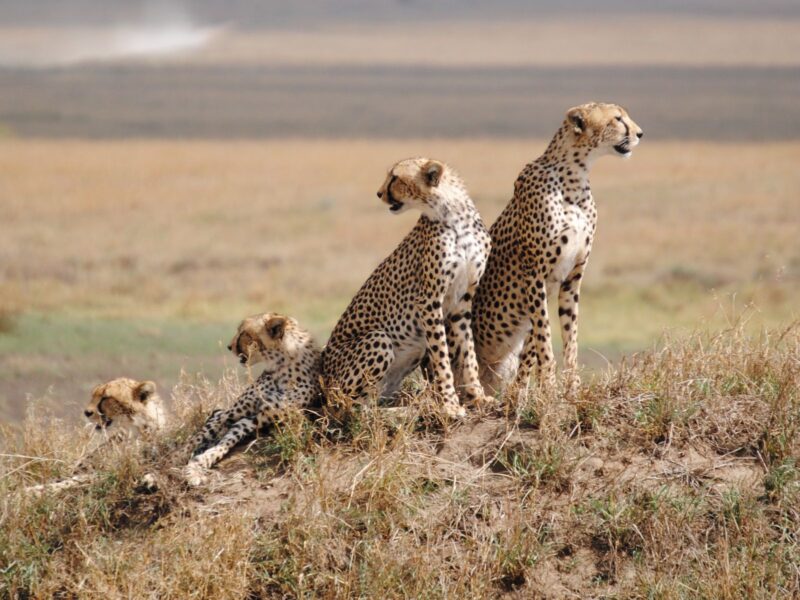
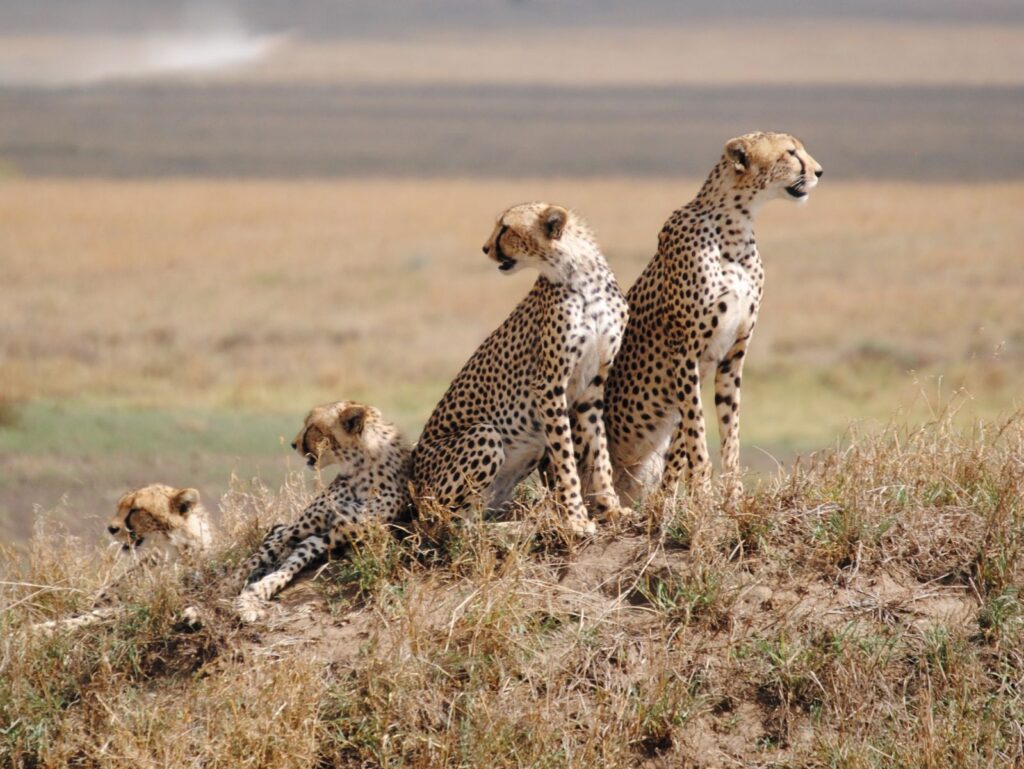
Expectations change significantly when travelers understand how does weather affect migration routes? Rainy seasons deliver lush landscapes, newborn wildlife, and high bird activity, making them ideal for Tanzania Birding Safaris and photographic safaris focused on dramatic scenery. Calving season offers intense predator-prey interactions, attracting lions, cheetahs, and hyenas in large numbers.
Dry seasons provide clearer visibility, easier road conditions, and iconic river crossings, forming the foundation of Kenya Great Migration Safaris. Dust-filled plains, concentrated wildlife, and golden light create classic safari imagery. Cultural encounters also differ seasonally, as Maasai People hold ceremonies aligned with environmental cycles, enriching Kenya Cultural Safaris.
Understanding how does weather affect migration routes? allows Terenga Safaris to align guest expectations with reality. Each safari emphasizes comfort, safety, and authenticity, regardless of season. Travelers may also combine migration-focused safaris with Uganda Gorilla Trekking, creating a multi-country journey that balances savannah drama with rainforest intimacy. This strategic planning ensures guests enjoy both predictable highlights and spontaneous natural moments shaped by weather patterns.
How much do migration safaris cost, and how does weather influence pricing?
Pricing reflects demand, which is closely tied to how does weather affect migration routes? Peak seasons aligned with river crossings typically command higher rates due to limited lodge availability and high global interest. Kenya Best Safaris during July to October and Tanzania Best Safaris during June to September often range between USD 350 to USD 700 per person per day, depending on accommodation standards and inclusions.
Shoulder seasons influenced by variable rainfall offer excellent value, fewer crowds, and equally rewarding wildlife sightings. Birding-focused travelers benefit greatly during these periods, making Kenya Birding Safaris and Tanzania Birding Safaris more affordable without sacrificing quality.
Understanding how does weather affect migration routes? empowers Terenga Safaris to recommend the best value windows. Transparent pricing, flexible itineraries, and ethical tourism practices ensure travelers receive premium experiences regardless of budget. Combining migration safaris with Uganda Gorilla Trekking further optimizes cost efficiency while expanding wildlife diversity.
When is the best time to plan a migration safari?
Timing decisions rely heavily on understanding how does weather affect migration routes? Dry seasons from June to October are ideal for river crossings and predator activity in Kenya. Wet seasons from January to March favor calving in Tanzania, delivering exceptional photographic opportunities.
Climate variability means no two years are identical. Terenga Safaris continuously monitors rainfall trends, grass conditions, and wildlife movement to recommend optimal travel windows. This expertise ensures Kenya Safaris and Tanzania Safaris remain productive despite environmental changes.
Understanding how does weather affect migration routes? allows travelers to choose between dramatic action, scenic beauty, or cultural immersion. Each season offers a distinct safari personality, making East Africa a year-round destination for informed travelers.
Why choose Terenga Safaris for migration-focused journeys?
Choosing a knowledgeable operator is essential when exploring how does weather affect migration routes? Terenga Safaris combines ecological insight, local partnerships, and personalized planning to deliver exceptional safari experiences. Every itinerary integrates Kenya Safaris, Tanzania Safaris, birding, and cultural engagement while respecting conservation principles. Expert guides interpret weather patterns in real time, ensuring guests are always positioned in the best locations. Cultural interactions with Maasai People and Tanzanian communities deepen understanding beyond wildlife observation. Understanding how does weather affect migration routes? transforms a safari from sightseeing into a meaningful journey. Terenga Safaris provides that transformation through trust, expertise, and a commitment to excellence across East Africa.