Are cultural visits safe for Kenya Tanzania Safaris?
December 30, 2025
Are Eco-Lodges Available?
December 31, 2025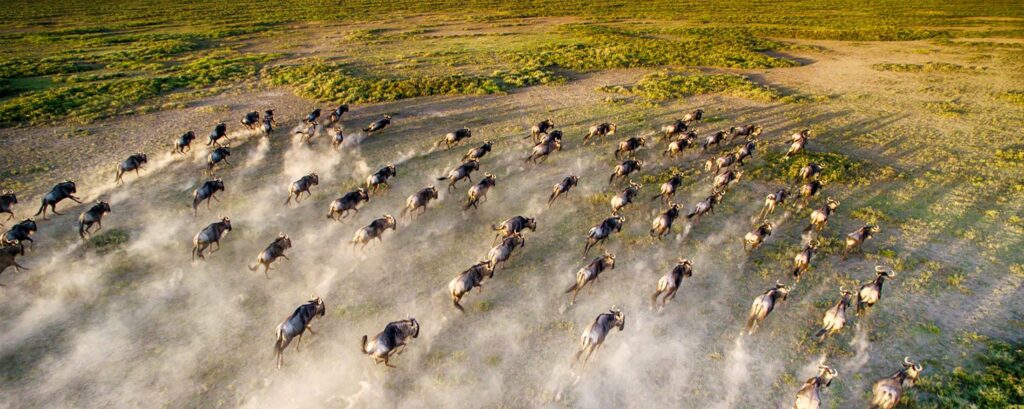
Are drones allowed during migration safaris?
Are drones allowed during migration safaris? This essential question arises for travelers planning iconic wildlife journeys across East Africa, particularly within Kenya Safaris and Tanzania Safaris where the Great Migration unfolds on a grand scale. Understanding drone regulations is critical because migration corridors are sensitive ecosystems protected by strict conservation laws. Across Kenya Best Safaris and Tanzania Best Safaris, aviation rules, wildlife protection policies, and visitor safety standards shape how photography and filming are conducted. While drones offer dramatic aerial perspectives, their use during Kenya Great Migration Safaris and Tanzania Great Migration Safaris is highly regulated or restricted to protect animals, habitats, and visitor experiences.
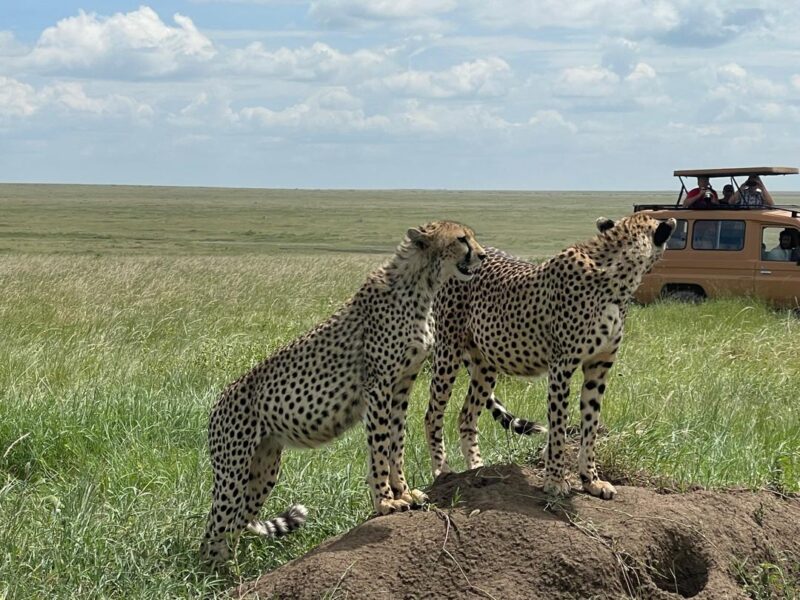
Across the Maasai Mara in Kenya and the Serengeti in Tanzania, millions of wildebeest, zebra, and gazelle move in response to rainfall patterns, creating one of the world’s most celebrated natural spectacles. During these moments, noise and movement from drones can disrupt animal behavior, affect predator-prey interactions, and compromise safety. For this reason, Are drones allowed during migration safaris? becomes a question tied directly to responsible tourism, ethical wildlife viewing, and legal compliance.
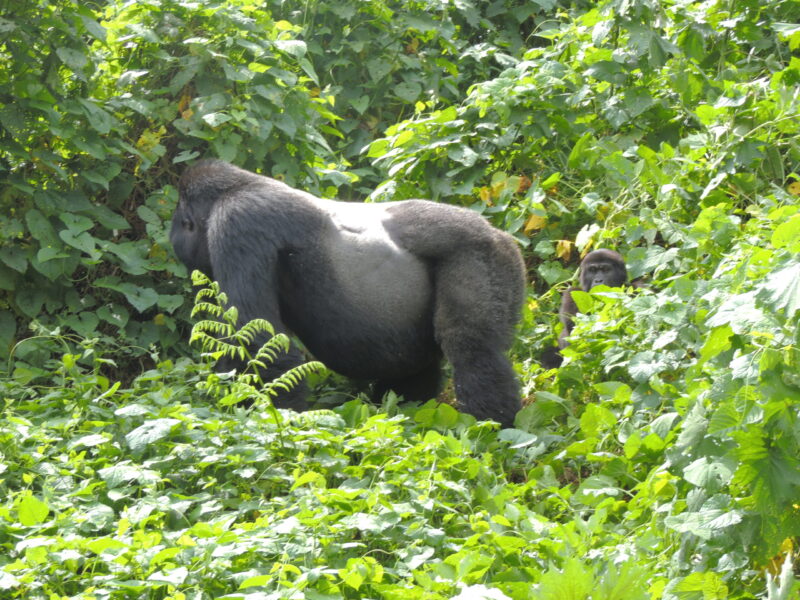
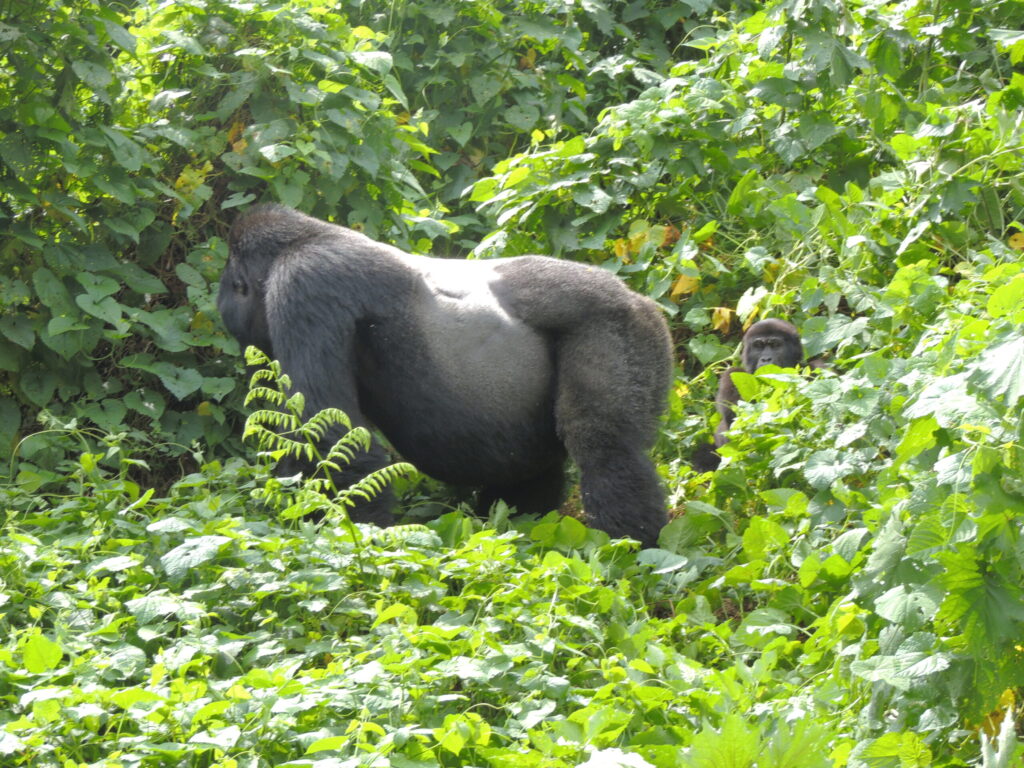
Through years of guiding Kenya Birding Safaris, Kenya Cultural Safaris, Tanzania Birding Safaris, and Tanzania Cultural Safaris, Terenga Safaris has observed that sustainable travel practices strengthen conservation outcomes while enhancing guest satisfaction. This guide offers clear, authoritative insight to help global travelers make informed decisions while planning migration-focused itineraries that may also be combined with Uganda Gorilla Trekking for a richer African adventure.
Are drones allowed during migration safaris in Kenya’s Maasai Mara?
Are drones allowed during migration safaris? In Kenya, particularly within the Maasai Mara National Reserve, drone usage is heavily restricted and generally prohibited for tourists. Kenyan aviation authorities require special permits from multiple government agencies, and approvals are typically reserved for documentary filmmakers, researchers, or conservation partners working under strict supervision. For visitors enjoying Kenya Safaris, these regulations ensure minimal disturbance to wildlife and preserve the authenticity of game-viewing experiences.
Within Kenya Great Migration Safaris, wildebeest crossings across the Mara River attract predators and large visitor numbers. During such intense activity, drones pose safety risks by distracting animals, interfering with low-flying aircraft, or causing stress-induced behavioral changes. Kenya Birding Safaris also face potential disruption because birds are especially sensitive to aerial devices. As a result, Are drones allowed during migration safaris? in Kenya is best answered with clear caution: personal recreational drone use is not permitted.
Cultural respect further reinforces these restrictions. Kenya Cultural Safaris involving the Maasai People emphasize harmony between humans and nature, a principle that aligns with drone limitations. Instead of aerial devices, professional guides help guests capture remarkable ground-level photography using ethical approaches. Terenga Safaris supports these regulations by offering expert positioning, timing, and interpretation, ensuring memorable visual documentation without compromising conservation values.
Are drones allowed during migration safaris in Tanzania’s Serengeti?
Are drones allowed during migration safaris? Tanzania maintains equally strict controls, particularly within Serengeti National Park, where the Great Migration reaches its most dramatic scale. Tanzanian aviation and wildlife authorities prohibit tourist drone use inside national parks unless explicit authorization is granted for scientific or conservation purposes. For travelers embarking on Tanzania Safaris, compliance with these laws is non-negotiable and strictly enforced.
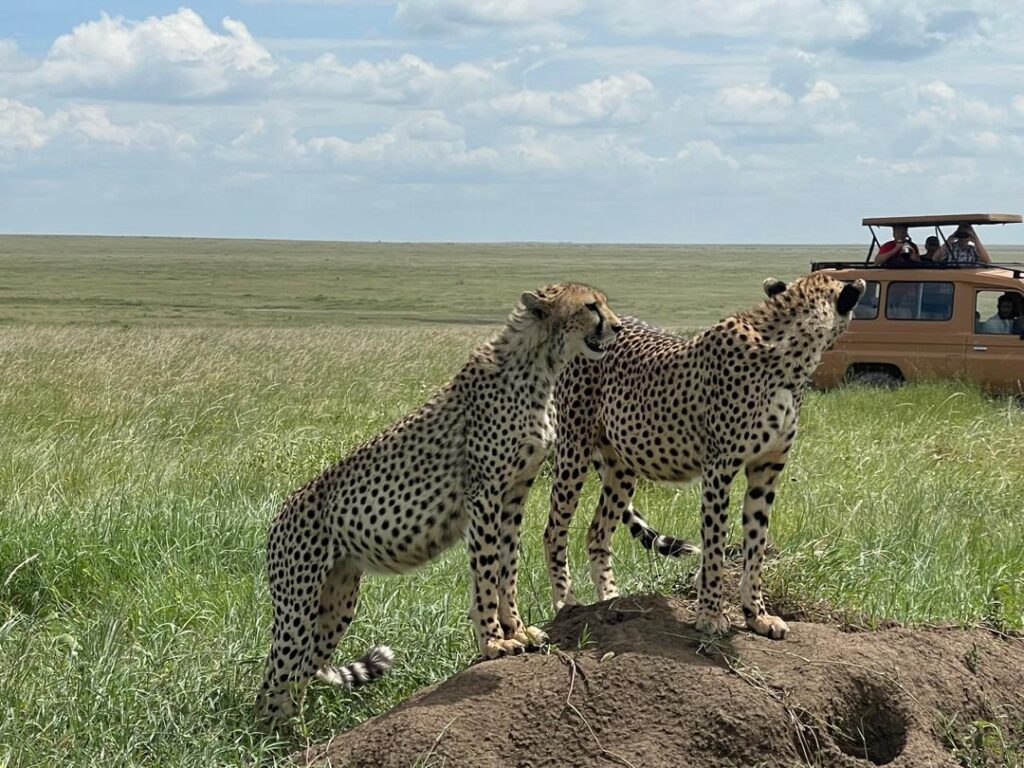
Throughout Tanzania Great Migration Safaris, vast herds traverse open plains while predators follow closely, creating natural interactions that must remain undisturbed. Drones can alter movement patterns, provoke stampedes, or interrupt hunting sequences. Tanzania Birding Safaris face similar concerns, as nesting sites and migratory routes are vulnerable to aerial intrusion. Consequently, Are drones allowed during migration safaris? in Tanzania is answered with a firm emphasis on conservation-first policies.
Cultural engagement also benefits from these rules. Tanzania Cultural Safaris, including visits to local communities surrounding the Serengeti, prioritize respectful interaction and environmental stewardship. Terenga Safaris educates travelers on alternative storytelling methods, including guided photography walks and professionally curated filming partnerships. For guests seeking a broader itinerary, combining Tanzania Best Safaris with Uganda Gorilla Trekking is possible, offering forest-based encounters where different photography guidelines apply under ranger supervision.
What should travelers expect instead of drone usage during migration safaris?
Are drones allowed during migration safaris? While the answer often limits personal drone use, travelers gain access to superior alternatives that enhance the safari experience. Professional guiding ensures optimal viewing positions, ethical photography opportunities, and deep ecological interpretation across Kenya Safaris and Tanzania Safaris. High-quality camera equipment, combined with expert timing, delivers compelling imagery without regulatory risks.
Logistical planning also adds value. Kenya Best Safaris and Tanzania Best Safaris include strategically located lodges, experienced driver-guides, and access to prime migration zones at appropriate times. Costs for migration safaris vary based on season, accommodation level, and duration, yet investments support conservation initiatives and community livelihoods. Peak migration months typically run from July to October in Kenya and from December to March in Tanzania, offering predictable wildlife movements.
For travelers asking Are drones allowed during migration safaris?, Terenga Safaris provides clarity, compliance, and creative alternatives. Combining migration safaris with Uganda Gorilla Trekking introduces contrasting ecosystems, from open savannahs to dense rainforests, enriching the overall journey. Choosing responsible operators ensures legal adherence, wildlife protection, and meaningful cultural exchange, reinforcing Africa’s reputation as a world-class safari destination built on trust, expertise, and sustainability.