What Is the Best Location for Migration Photography?
December 18, 2025
What is the best season for hiking Kilimanjaro?
December 19, 2025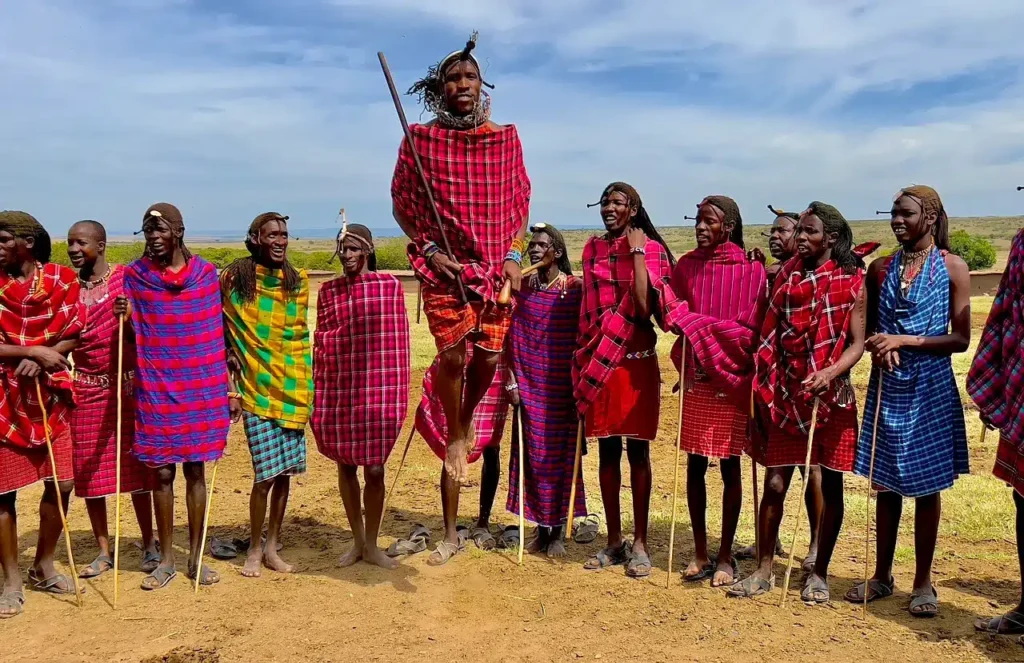
What is the Best Region for Cultural Safaris in Tanzania?
Introduction: Immersing in Tanzania’s Rich Cultural Heritage
What is the best region for cultural safaris in Tanzania? This question is central for travelers who want more than just wildlife viewing and breathtaking landscapes. Tanzania, a jewel of East Africa, offers unparalleled opportunities for Tanzania Cultural Safaris, combining vibrant traditions, authentic community experiences, and immersive interactions with indigenous groups. From the iconic Maasai villages of the northern highlands to the Chagga farming communities near Mount Kilimanjaro, the nation provides a diverse array of cultural landscapes that complement its world-famous wildlife safaris.
Exploring Tanzania’s cultural regions is a natural extension for anyone already planning Tanzania Safaris or Tanzania Wildlife Safaris. Visitors can witness the age-old customs of the Maasai People, learn traditional dances, participate in local ceremonies, and understand centuries-old practices of cattle herding and craftsmanship. These experiences elevate a typical safari, connecting travelers not only with the land and wildlife but also with the people who have coexisted with these ecosystems for generations. Moreover, cultural safaris in Tanzania are often paired with excursions to the Serengeti during the Tanzania Great Migration, offering a unique combination of human and wildlife stories that enrich the journey beyond simple sightseeing.
Terenga Safaris provides expertly curated itineraries that guide travelers to the regions offering the most authentic Tanzania Cultural Safaris. With decades of on-the-ground experience, local partnerships, and a focus on ethical tourism, our team ensures each cultural encounter is meaningful, immersive, and respectful. Whether visiting Maasai communities near Ngorongoro, exploring traditional farming villages on the slopes of Kilimanjaro, or engaging in vibrant local markets, travelers can experience Tanzania’s cultural heritage at its finest while also enjoying optional connections to Kenya Safaris, Kenya Cultural Safaris, and even Uganda Gorilla Trekking for a comprehensive East African adventure.
The Maasai and Ngorongoro Highlands: Northern Tanzania’s Cultural Heartland
Authentic Encounters with the Maasai People
What is the best region for cultural safaris in Tanzania? The answer is often the northern highlands surrounding the Ngorongoro Conservation Area. This region is a hub for Tanzania Cultural Safaris, offering deep interaction with the Maasai People, one of East Africa’s most iconic indigenous groups. The Maasai are renowned for their distinctive red shukas, intricate beadwork, and age-old pastoral traditions. Engaging with Maasai communities provides travelers with insight into their semi-nomadic lifestyle, spiritual beliefs, and sustainable land stewardship that has preserved the surrounding ecosystems for generations.
The Ngorongoro Highlands are also home to spectacular wildlife, meaning visitors can seamlessly combine cultural immersion with Tanzania Wildlife Safaris. From walking with Maasai guides to witnessing traditional livestock herding practices and participating in ceremonies, travelers gain a multifaceted understanding of the region’s human and natural systems. The nearby Ngorongoro Crater allows guests to observe lions, elephants, and other wildlife against a dramatic volcanic backdrop, enriching the cultural safari experience with breathtaking scenery.
Accessing this region is convenient via Arusha, Tanzania’s gateway for northern safaris. Transfers to Ngorongoro can be arranged with Terenga Safaris, including scenic drives that showcase rolling highlands and views of active Maasai settlements. Visitors can expect guided tours led by knowledgeable cultural experts who ensure each interaction is respectful and educational. Best months for travel coincide with dry seasons—June to October and December to February—when roads are passable, weather is favorable, and cultural ceremonies are most accessible.
Arusha and the Kilimanjaro Slopes: A Blend of Culture and Nature
Exploring Chagga and Pare Communities
Northern Tanzania’s Arusha region, located at the base of Mount Kilimanjaro and Mount Meru, is another exceptional area for Tanzania Cultural Safaris. The fertile slopes are home to the Chagga and Pare people, agricultural communities whose centuries-old practices provide fascinating insights into local life. Travelers can observe traditional farming methods, coffee and banana cultivation, and participate in interactive experiences that reveal how these communities thrive in harmony with their environment. These cultural excursions are complemented by Tanzania Safaris, allowing guests to witness wildlife in nearby Arusha National Park or during the Tanzania Great Migration in the Serengeti.
Hiking along the lower slopes of Kilimanjaro and Meru offers stunning panoramic views, and guided visits to villages provide opportunities to engage in storytelling, local crafts, and traditional cooking demonstrations. The combination of mountain trekking, wildlife observation, and immersive cultural experiences makes this region ideal for travelers seeking a holistic safari adventure. Terenga Safaris ensures all itineraries include local guides who are intimately familiar with the area’s heritage, creating authentic and trustworthy interactions.
Travelers can reach Arusha via Kilimanjaro International Airport, followed by road transfers into the surrounding villages. Expect activities such as traditional dance performances, beading workshops, and visits to homesteads where local families share insights about daily life. These experiences enrich the safari narrative and provide a lasting connection to Tanzanian culture, making the question “What is the best region for cultural safaris in Tanzania?” easy to answer for anyone seeking genuine engagement.
Serengeti Cultural Extensions: Maasai Mara Connections Across Borders
Linking Wildlife and Culture
The Serengeti ecosystem, world-famous for its wildlife, also offers cultural components for travelers seeking comprehensive Tanzania Cultural Safaris. The Maasai People inhabit areas adjacent to the Serengeti and its Kenyan counterpart, the Masai Mara, allowing for cross-border cultural interactions. Guests can visit Maasai villages, observe traditional cattle herding, and learn about ceremonial practices while simultaneously experiencing thrilling wildlife sightings including the Tanzania Great Migration, where millions of wildebeest and zebra traverse the plains.
Combining wildlife and culture ensures a more enriching safari experience. Terenga Safaris designs itineraries that allow travelers to witness iconic predators during Tanzania Wildlife Safaris, explore Maasai homesteads, and gain insight into community-based conservation efforts that protect both people and wildlife. These engagements not only support local livelihoods but also enhance the overall understanding of East Africa’s intricate ecological and cultural interconnections.
The Serengeti is accessible from Arusha via light aircraft or scenic road transfers. Guests can expect structured cultural encounters led by certified local guides, ensuring respect, authenticity, and meaningful participation. Incorporating both the Tanzanian and Kenyan Maasai experiences offers a rare perspective on how communities maintain traditions while coexisting with some of the most extraordinary wildlife habitats on Earth.
Lake Manyara and Tarangire: Southern Cultural Landscapes
Cultural Safaris Among Trees and Wildlife
While northern Tanzania dominates cultural safari itineraries, regions such as Lake Manyara and Tarangire provide additional opportunities to combine Tanzania Cultural Safaris with unforgettable wildlife encounters. These areas are home to smaller, yet deeply rooted communities whose agricultural and pastoral traditions complement the nearby biodiversity. Visitors can explore village life, attend local markets, and participate in community-led conservation programs that demonstrate the balance between human activity and natural ecosystems.
These regions are particularly well-suited for travelers seeking intimate experiences beyond large tourist circuits. The proximity to Tanzania Wildlife Safaris ensures that guests enjoy both cultural immersion and game drives where elephants, giraffes, and lions are commonly observed. Terenga Safaris crafts these experiences to highlight local stories, traditional practices, and community initiatives that enhance cultural understanding while fostering sustainable tourism.
Access is straightforward via Arusha or Kilimanjaro International Airport, followed by guided drives through scenic landscapes. Guests can expect guided tours that include storytelling, village visits, traditional cuisine tasting, and wildlife observation—all carefully planned to ensure minimal environmental impact and maximum cultural engagement.
Cultural Activities to Expect on a Tanzanian Safari
Travelers wondering “What is the best region for cultural safaris in Tanzania?” can anticipate a wide range of activities. These include visiting Maasai and Chagga villages, participating in traditional dances, learning beadwork techniques, observing ceremonial rites, and engaging in sustainable agriculture practices. Combined itineraries may also integrate Kenya Cultural Safaris for those interested in cross-border traditions, as well as optional Uganda Gorilla Trekking to expand the adventure to East Africa’s unique mountain primates. Terenga Safaris ensures all cultural engagements are immersive, authentic, and ethically conducted, allowing visitors to gain a holistic perspective on local lifestyles.
How to Reach Tanzania’s Cultural Safari Regions
All major cultural safari destinations in Tanzania, including the Ngorongoro Highlands, Arusha, Serengeti, Lake Manyara, and Tarangire, are accessible via Kilimanjaro International Airport or Arusha Airport. Terenga Safaris coordinates road transfers, charter flights, and guided excursions to maximize efficiency and comfort. Travelers can expect organized itineraries that minimize travel fatigue while maximizing cultural and wildlife exposure, ensuring a seamless experience from arrival to departure.
What to Expect During a Tanzanian Cultural Safari
Visitors asking “What is the best region for cultural safaris in Tanzania?” should prepare for a unique blend of activities. Days are typically divided between cultural village visits, interactive workshops, and wildlife viewing. Guides provide detailed insights into the history, traditions, and spiritual beliefs of local communities. Meals may include local cuisine, and accommodations range from luxury lodges to eco-friendly camps, creating an authentic yet comfortable experience. Wildlife sightings, particularly during Tanzania Wildlife Safaris, complement cultural encounters, offering a well-rounded perspective of East Africa.
Best Time for Cultural Safaris in Tanzania
The ideal period to embark on Tanzania Cultural Safaris is during the dry seasons, from June to October and December to February. During these months, roads are more navigable, village activities are in full swing, and wildlife viewing is optimal. Terenga Safaris advises scheduling cultural safaris alongside migration events in the Serengeti for maximum diversity in experiences, combining people, wildlife, and landscapes seamlessly.
Why Choose Terenga Safaris for Tanzanian Cultural Safaris
Choosing Terenga Safaris ensures travelers enjoy expert-guided Tanzania Cultural Safaris with safety, authenticity, and personalized service. Our team prioritizes meaningful interactions with communities, ethical wildlife observation, and seamless logistics. Guests benefit from decades of experience, intimate local knowledge, and curated itineraries that emphasize exploration, education, and trustworthiness. Terenga Safaris transforms cultural safari journeys into lifetime memories, ensuring visitors experience Tanzania’s heritage with depth and authenticity.