Are Cultural Safaris Private or Group-Based Kenya & Tanzania?
November 27, 2025
Are English-speaking safari guides available in Kenya and Tanzania?
November 27, 2025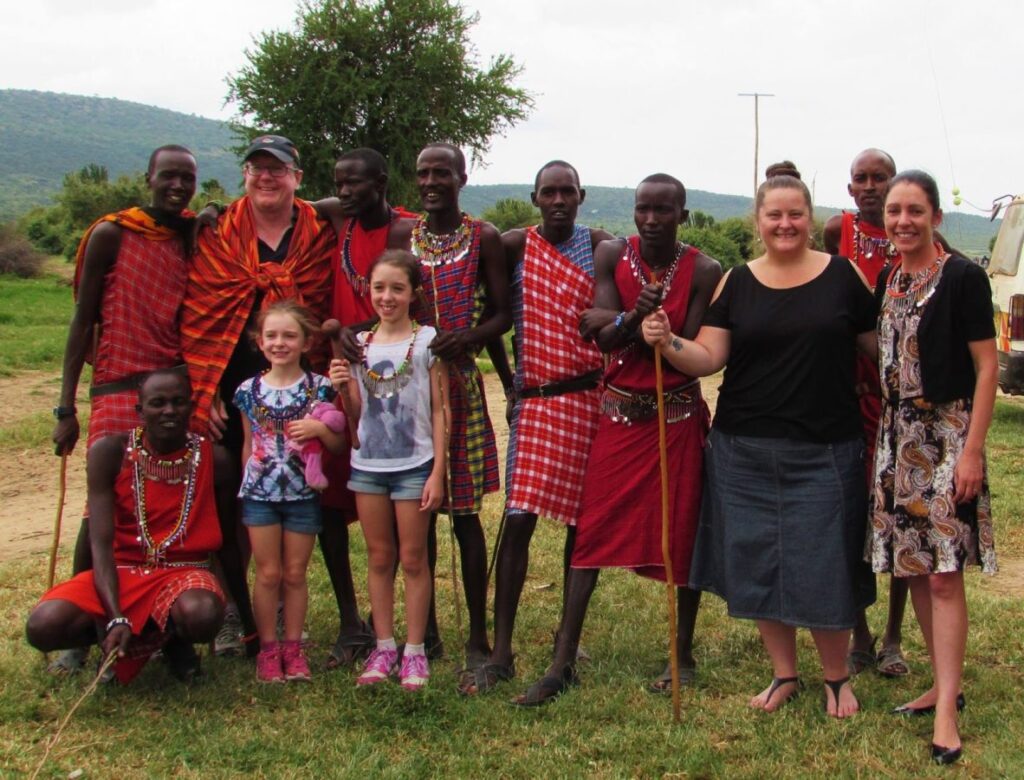
Are Cultural Visits Ethical? – Terenga Safaris’ Expert Insight for Kenya and Tanzania Safaris
Are cultural visits ethical? This question has become increasingly significant for travelers seeking meaningful and responsible interactions through Kenya Safaris and Tanzania Safaris. Many visitors planning Kenya Cultural Safaris or Tanzania Cultural Safaris want assurance that their presence in local communities contributes positively to livelihoods, cultural preservation, and sustainable tourism. Terenga Safaris prioritizes ethical practices grounded in Experience, Expertise, Authoritativeness, and Trustworthiness, ensuring that every cultural encounter during Kenya Best Safaris and Tanzania Wildlife Safaris supports community development, respects local customs, and promotes conservation.
Understanding the Ethics of Cultural Visits in East Africa
Ethical cultural visits are designed to offer travelers authentic insight into traditional lifestyles while uplifting local communities economically and socially. Kenya Wildlife Safaris and Tanzania Wildlife Safaris are often enhanced when travelers understand the culture and heritage of the communities living near national parks and reserves. Maasai, Samburu, and Chagga communities across East Africa welcome visitors who arrive with respect, curiosity, and cultural sensitivity. Terenga Safaris ensures that local guides, community leaders, and cultural hosts are fairly compensated, empowered, and actively involved in decision-making regarding tourism in their regions.
Exploring Are cultural visits ethical? helps travelers appreciate the importance of fair trade tourism, responsible engagement, and cultural appreciation rather than exploitation. Kenya Safaris often include visits to Maasai villages near the Kenya Great Migration routes in the Maasai Mara, while Tanzania Safaris incorporate experiential learning in communities bordering the Serengeti and Ngorongoro Crater. These interactions create opportunities to understand conservation from the perspective of people who coexist with wildlife daily. Additionally, cultural experiences can be combined with Uganda Gorilla Trekking, creating a multi-country adventure that introduces travelers to diverse cultures, landscapes, and wildlife encounters. Through professional planning and ethical frameworks, Terenga Safaris ensures that every cultural experience strengthens bonds between visitors and communities while contributing to sustainable development.
Kenya Cultural Experiences – Ethical Encounters with Indigenous Communities
Ensuring Respectful, Community-Led Interactions
Visitors planning Kenya Safaris frequently ask “Are cultural visits ethical?”, particularly when considering interactions with Maasai and Samburu communities. Ethical cultural visits in Kenya emphasize transparency, respect, and mutual benefit. Kenya Cultural Safaris allow travelers to learn about traditional homesteads, beadwork, music, and ceremonies, all facilitated by community members who choose to share their heritage. Kenya Wildlife Safaris in regions such as the Maasai Mara and Samburu National Reserve naturally connect to cultural experiences because local communities play a central role in wildlife conservation and protection.
Kenya Best Safaris highlight how ethical tourism empowers communities through employment, cultural preservation, and income generation. Terenga Safaris ensures that every cultural visit is voluntary and community-driven, meaning hosts determine what is shared and how. Cultural experiences often include storytelling sessions, guided nature walks, and traditional dance performances, all structured to provide authentic insight while ensuring dignity and respect for local customs. Kenya Birding Safaris also incorporate cultural elements, as birding areas near villages offer opportunities to learn how communities sustainably coexist with nature.
Addressing Are cultural visits ethical? requires acknowledging the importance of fair compensation and sustainable tourism. Terenga Safaris works closely with community cooperatives to ensure that income from Kenya Cultural Safaris supports education, healthcare, conservation initiatives, and cultural preservation. Travelers can expect professional guidance on etiquette, photography, gifting, and respectful behavior to ensure interactions remain positive for both visitors and hosts. Cultural visits can also be paired with Uganda Gorilla Trekking, creating meaningful multi-country journeys that highlight the cultural richness of East Africa. Through carefully organized experiences, Kenya Safaris remain one of the most ethical and impactful ways to learn about indigenous traditions.
Tanzania Cultural Experiences – Ethical Tourism Near Wildlife Destinations
Respecting Heritage While Supporting Local Livelihoods
Many travelers undertaking Tanzania Safaris wonder “Are cultural visits ethical?”, especially when planning Tanzania Cultural Safaris around the Serengeti, Tarangire, and Ngorongoro Conservation Area. Ethical cultural engagements in Tanzania revolve around meaningful exchanges with the Maasai, Datoga, and Hadzabe communities, all of whom maintain rich ancestral traditions. Tanzania Wildlife Safaris bring visitors close to these communities, creating opportunities to learn about cattle herding, traditional dwellings, and wildlife coexistence strategies used across generations.
Tanzania Great Migration itineraries often include optional cultural visits to Maasai settlements bordering the migration corridors. These visits offer travelers insight into the intertwined relationship between people, land, and wildlife. Ethical cultural tourism ensures that community voices lead the structure, scale, and content of each visit. Terenga Safaris collaborates directly with village councils and cultural tourism programs registered under local authorities to maintain transparency and fairness. Visitors benefit from guided experiences such as traditional dance ceremonies, fire-making demonstrations, beadwork workshops, and guided nature walks that highlight indigenous ecological knowledge.
Exploring Are cultural visits ethical? in the context of Tanzania Safaris demonstrates that when properly managed, cultural tourism contributes significantly to poverty reduction, cultural pride, and environmental conservation. Tanzania Birding Safaris can also incorporate cultural experiences near forest edges and lakeside communities where locals play a crucial role in protecting bird habitats. Travelers interested in expanding their adventure can easily combine cultural visits with Uganda Gorilla Trekking, ensuring a holistic East African journey that celebrates both people and wildlife. With ethical structures in place, Tanzania Safaris provide enriching, respectful, and empowering cultural interactions that uphold the dignity of local communities.
Ethics in Cultural Tourism – Understanding What Makes a Visit Responsible
Principles That Guide Ethical Cultural Encounters
Understanding Are cultural visits ethical? requires examining what makes a cultural visit responsible and sustainable. Ethical cultural tourism is built on mutual respect, transparency, community ownership, and fair economic benefit. Terenga Safaris follows guidelines rooted in global best practices, ensuring Kenya Safaris and Tanzania Safaris provide meaningful experiences without exploitation. Ethical visits prioritize genuine interaction rather than staged performances created solely for tourist entertainment. Communities retain full control over which traditions they share and how they present them.
Cultural visits also respect privacy, sacred sites, and sensitive rituals. Professional guides educate travelers on respectful behavior, appropriate dress, communication norms, and photography etiquette. Kenya Wildlife Safaris and Tanzania Wildlife Safaris increasingly rely on community-led conservation, making cultural visits essential for understanding local perspectives on wildlife protection. Kenya Cultural Safaris and Tanzania Cultural Safaris often include visits to conservation centers, women’s cooperatives, and traditional healers who share knowledge about natural resources and indigenous ecological practices.
Fair compensation forms the backbone of ethical tourism. By ensuring communities receive direct financial benefits, Terenga Safaris promotes economic empowerment while supporting education, infrastructure, and conservation initiatives. Kenya Best Safaris and Tanzania Great Migration experiences gain additional depth when visitors understand how communities contribute to wildlife management and habitat protection. Ethical cultural tourism can be combined with Uganda Gorilla Trekking to enhance awareness of conservation efforts across multiple East African regions. Through responsible planning, Terenga Safaris ensures that every cultural visit enriches travelers while uplifting the communities they meet.
Logistics – How to Access Ethical Cultural Visits in Kenya and Tanzania
Travel Planning and Community Engagement
When travelers ask Are cultural visits ethical?, they often also want to understand how these visits are arranged. Kenya Safaris typically begin in Nairobi or Mombasa, with cultural excursions integrated into safaris in the Maasai Mara, Samburu, or Lake Naivasha regions. Domestic flights and guided road transfers make it easy to reach community-run cultural centers. Tanzania Safaris usually begin in Arusha or Kilimanjaro, with well-organized transfers to Maasai villages near Tarangire, Serengeti, or Ngorongoro.
Terenga Safaris ensures that cultural visits align with safari routes, avoiding unnecessary detours while maximizing time spent with communities. Guides provide cultural briefings before arrival to ensure respectful engagement. Kenya Birding Safaris and Tanzania Birding Safaris may include cultural visits near prime birding landscapes, offering visitors combined experiences of nature, culture, and conservation. Travelers are encouraged to ask questions, participate in workshops, and learn about traditional crafts in ways that foster genuine understanding rather than passive observation.
Cultural visits can also be seamlessly combined with Uganda Gorilla Trekking itineraries, allowing travelers to explore East Africa’s diverse cultures and landscapes in a single trip. Terenga Safaris handles all logistical planning, ensuring comfort, safety, and ethical engagement at every step. Understanding Are cultural visits ethical? becomes clearer when travelers witness firsthand the respectful, community-driven structure behind every cultural encounter.
Why Choose Terenga Safaris for Ethical Cultural Visits?
Choosing Terenga Safaris allows travelers to confidently say yes when asking Are cultural visits ethical? Our commitment to ethical tourism ensures that Kenya Safaris and Tanzania Safaris support local communities, preserve cultural heritage, and promote sustainable wildlife conservation. Kenya Best Safaris and Tanzania Wildlife Safaris are enhanced by cultural experiences that are organized with full transparency, fairness, and cultural sensitivity.
Trained guides accompany travelers to ensure etiquette is followed, questions are respectfully asked, and hosts are treated with dignity. Income from cultural visits directly supports community projects, making every encounter meaningful and impactful. Travelers can also extend their journey through Uganda Gorilla Trekking, creating a responsible, multi-country safari experience grounded in ethical tourism practices. Terenga Safaris’ dedication to Experience, Expertise, Authoritativeness, and Trustworthiness ensures cultural visits remain respectful, uplifting, and transformative for both visitors and host communities.